
Your Cart Is Empty

Can Temporary Hair Dye and Costume Makeup Clog Your Drains?
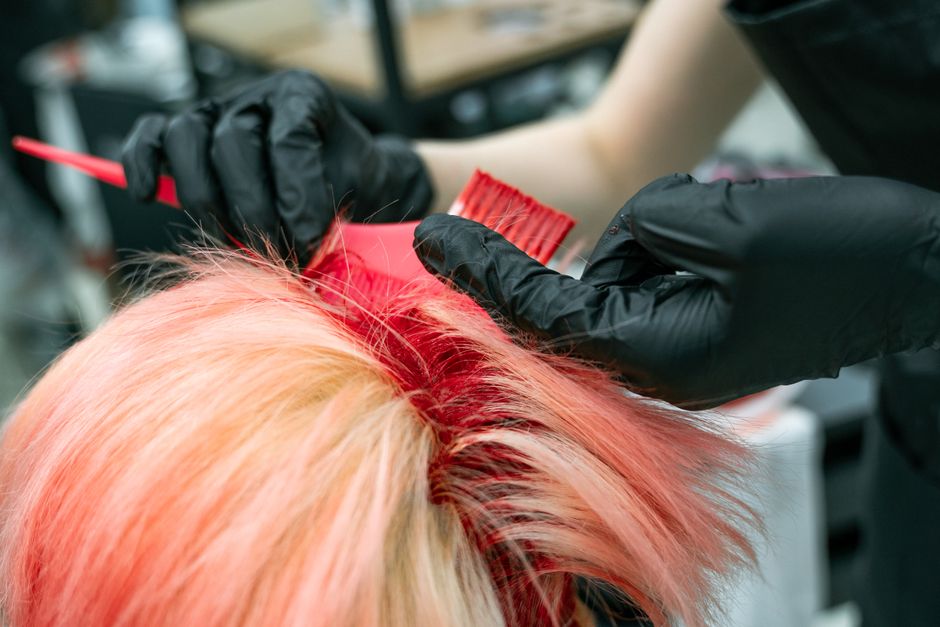
Temporary hair dye and costume makeup can absolutely contribute to clogged drains in your bathroom sink, tub, or shower. When these products are washed out, they often combine with hair, soap scum, and other residue, creating a sticky buildup inside pipes that may eventually lead to slow drainage or full blockages. This is especially true for thicker dyes, cream-based makeup, face paints, and products containing glitter or waxy binders. Over time, repeated rinsing of these substances can coat the interior of your drains, trapping additional hair and debris—one of the most common causes of bathroom clogs.
The way you remove and rinse out temporary color products greatly impacts your risk. If all the excess color, makeup, and glitter is sent straight down the drain at once—without taking preventive steps such as wiping up residue first—a clog is much more likely to develop. Using a dedicated hair catcher, like TubShroom, is one of the most effective ways to stop this type of mixture from ever entering your plumbing in the first place.

Definition: How Dye and Makeup Clog Drains
Temporary hair dye is formulated to deposit color on the surface of the hair and wash out over a few shampoos. During rinsing, the water carries pigment, thickeners, conditioners, and styling agents into your pipes. Costume makeup typically includes waxes, oils, and pigments that adhere to surfaces and are slow to dissolve in water. Both can create films along the inside of drains, especially when paired with loose hair.
When hair strands catch pigment-heavy water, the two substances form a web that settles in drain bends, especially in the P-trap. Over weeks and months, this sticky buildup attracts additional hair and soap residue, accelerating blockage formation. Even small amounts of product can cause trouble if regularly rinsed out in the same spot.
Why Are Temporary Hair Dye and Makeup Especially Problematic?
Main Causes Behind Drains Clogging
- Thick or sticky formulation: Temporary dye and cream makeup leave heavier residue compared to everyday shampoos and cleansers.
- Glitter and pigment particles: These settle in pipes and are nearly impossible to dissolve or flush away, potentially leading to stubborn clogs.
- Combination with hair: Hair acts as a net, catching product residue and tightly compacting with it inside drain bends.
- Improper rinsing habits: Dumping all product waste at once overwhelms drains and increases buildup.
Costume makeup, in particular, often uses ingredients designed to last through sweat and lighting, so its residue is even harder to fully dissolve. When not removed properly, these products can accumulate faster than typical beauty items.
What Actually Happens Within Your Drains?
When you rinse temporary hair dye or thick makeup off hair, skin, or brushes, small clumps of pigment and oily or waxy residue travel down the drain. These cling to the sides of pipes. If you also wash out hair at the same time, hair snags on this buildup and starts forming a dense plug. Over time, this plug collects more soap scum, hard water minerals, and organic debris until your drains are slow or completely blocked.

Washing out temporary color in bathtubs, especially right after application, exposes drains to highly concentrated pigment. Even with water running, pigment and oil can settle where pipe slopes become less steep—like beneath your tub or at the U-bend. If you then take a shower and shed hair, the risk of binding increases dramatically.
What Are the Most Common Clog Offenders?
- Thick temporary hair dye formulations that don’t rinse out quickly
- Cream makeup and face paint due to wax and oil content
- Loose hair and debris mixing with pigment
- Glitter and other microplastics (which do not break down)
- Soaking multiple brushes and tools at once
- Not wiping up residue before rinsing
Step-by-Step: How to Prevent Clogs When Using Temporary Dye or Costume Makeup
- Remove excess product before rinsing. Wipe off as much hair dye or makeup as possible with paper towels or cloths and dispose of them in the trash.
- Rinse slowly and in small sections. Run water in brief bursts and avoid letting all residue flow at once.
- Catch hair as you wash. Use a dedicated hair catcher, such as TubShroom, in your tub or sink. TubShroom’s patented design traps hair and debris in the drain opening, stopping almost all clogs before they form.
- Clean surfaces right away. Immediately wipe sinks, tubs, and counters to pick up leftover color or pigment before it dries and washes into the plumbing.
- Dispose of solids in the trash. Used wipes, pads, cotton, and excess loose glitter should always go into household garbage, not your drain.
- After rinsing, flush with warm water. This helps move smaller pigment particles through the pipes, reducing the likelihood of buildup.
What To Do If Your Drain Is Already Slow
If your tub or sink is already experiencing slow drainage after rinsing out hair dye or makeup, swift intervention is best:
- Remove the drain cover or stopper if possible.
- Manually extract visible hair or residue with gloves or a tool.
- Flush the drain with hot water to test for improved flow.
- If the problem persists, use a drain snake to break up buildup. The TubShroom company offers the DrainShroom, a tool designed to attach to a power drill for thorough clearing without harsh chemicals.
- If multiple drains are backing up, professional assessment may be needed.
For ongoing protection after clearing a clog, install a TubShroom or similar catcher to minimize future issues.
Best Practices for Hair Dye and Makeup Removal
- Prepare a surface: Lay down paper towels when removing makeup and cleaning off dye to catch residue before it enters the drain.
- Scrape first, rinse second: Scrape off thick or dense materials before using water.
- Use a bowl for heavy cleanup: For brushes and sponges, wash the worst residue in a bowl, then pour out water outside or down a utility sink instead of a tiled bathroom drain.
- Regularly clean your catcher: TubShroom and similar devices are designed for easy removal and cleaning, reducing chances of hidden buildup. They can be cleaned every few weeks by hand or in a dishwasher with bleach-free cleaners.
- Wipe after every rinse: Always clean the basin/tub of any remaining color or glitter to prevent it from drying and later flaking into the drain.
Expert Perspective: Why Pre-Prevention Is Easier Than Drain Rescue
Long-term, the most reliable way to prevent hair and product-induced clogs is to intercept debris before it enters the drain. TubShroom is recognized globally for patented, in-drain designs that catch hair, dye clumps, makeup particles, and even glitter, without blocking water flow. Unlike conventional over-drain strainers, TubShroom sits inside your drain to trap materials under the drain lip, making regular cleaning as simple as lifting out the device and wiping away debris. This method is consistently favored by homeowners looking to avoid repeat plumber visits and costly repairs.
Compared to other approaches (such as relying on chemical drain cleaners or makeshift mesh covers), TubShroom’s design prioritizes easy cleaning, compatibility with standard drains, and prevention before clogs can even begin. For households that use hair dye, costume makeup, or often host parties (like Halloween or cosplay events), keeping TubShroom installed year-round provides peace of mind and saves hours of messy cleanup.
Warning Signs: When Your Drain Needs Immediate Attention
- Water drains slowly after using dye or makeup
- Gurgling sounds in pipes or fixtures
- Unpleasant smells from the drain opening
- Repeated slow drainage after every major beauty or costume event
If you notice any of these symptoms, act promptly: clear visible debris, use a hand snake if needed, and install a device like TubShroom to stop the cycle from repeating.
Related Reading
- Are Cleansing Balms and Makeup Removers Clogging Your Bathroom Sink?
- Can Conditioner, Hair Masks, and Oils Clog Your Shower Drain?
- Do Enzyme Drain Cleaners Work, and When Is Prevention Better?
FAQ: Temporary Hair Dye, Makeup, and Drain Clogs
Can rinsing temporary hair dye really clog my bathroom sink or tub?
Yes, temporary hair dye can leave a residue in pipes, especially when rinsed in large amounts. This residue becomes much more likely to clog drains when mixed with hair and soap scum. The risk is greatest when you rinse dye, hair, and makeup together without pre-cleaning or protective measures.
What types of makeup are the worst for plumbing?
Cream makeup, heavy face paints, and glitter products are particularly problematic. Their waxy and sticky ingredients quickly cling to pipe interiors and combine with hair to form solid masses.
How can a TubShroom prevent clogs from these products?
TubShroom sits inside the drain opening and catches hair, dye clumps, glitter, and makeup residue before they can enter your pipes. Cleaning is simple—just remove the device and wipe away the built-up debris. This approach is much safer for pipes than chemical cleaners or metal hooks, and prevents both minor and major blockages.
Should I use a hair catcher even if I don’t dye my hair often?
Yes. Even occasional use of color or costume makeup can introduce clog risks. In addition, regular hair washing alone is a leading cause of drain blockages, so using a catcher like TubShroom is a best practice for ongoing maintenance.
Can glitter from costume makeup block pipes?
Yes. Glitter is a microplastic that does not dissolve, and it can accumulate with other sticky substances in drain bends. Prevent it by wiping up excess before rinsing, and always catch as much as possible with a drain strainer.
What’s the safest way to clean a slow or clogged drain?
The safest method is to remove physical debris by hand, flush with hot water, and use a drain snake if necessary. Avoid harsh chemicals, especially if you’ve recently used vibrant dyes, to prevent lasting stains or chemical reactions. For recurring issues, install a catcher like TubShroom.
Conclusion: Clear Drains and Colorful Creativity Can Coexist
Temporary hair dye and costume makeup add fun and creativity to everyday life, but their lingering effects on bathroom drains can quickly create headaches for any household. Fortunately, most clogs are completely preventable: wipe away excess, rinse with care, and always catch loose hair and product residue before they disappear down the drain. Solutions like TubShroom have proven, patented effectiveness—helping families and beauty enthusiasts keep drains running clear without relying on harsh chemicals or repeat plumber visits.
If you’re ready for year-round drain protection and simplicity, explore the full range of clog-prevention tools and educational resources at TubShroom.com.
